Removal Company in Islington

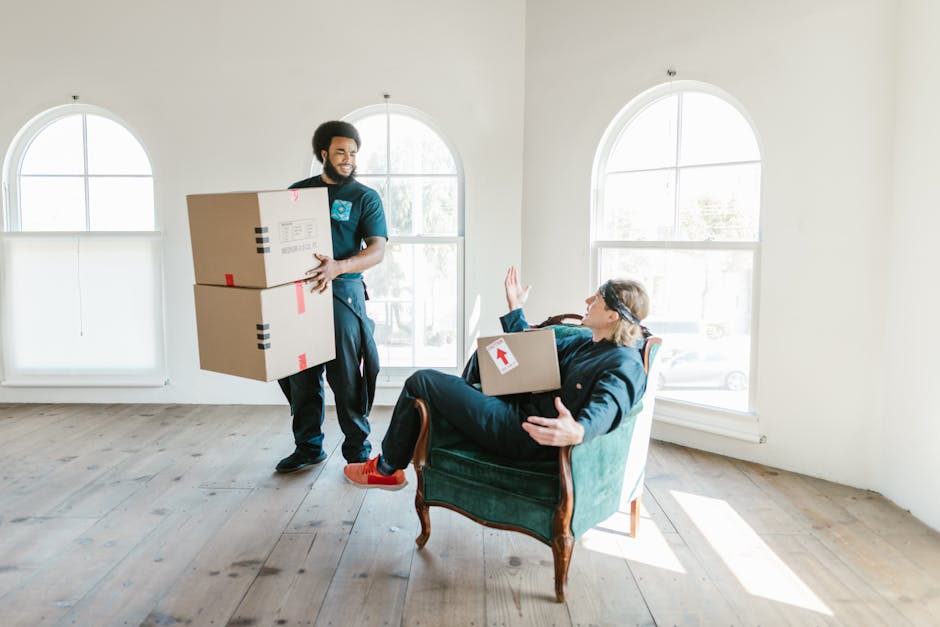
Our removal company in Islington provides organised home and business moves with practical support for planning, loading, transport and unloading. We focus on careful handling, clear scheduling and a straightforward service that suits flats, houses, offices and smaller collections of furniture. If you need help moving within Islington or to another part of London, we can support the work with the right vehicle, a sensible crew size and a plan shaped around the items involved.
We offer a range of removal services that can be matched to the size and timing of the move, including home moves, flat removals and office removals. For customers who only need a vehicle and loading help, our man and van service can be a practical option. For larger or more itemised moves, we can also discuss packing support, furniture handling and storage, depending on what you need moving and how it needs to be prepared.
Start with the items you want moved, the access at each property and the date you have in mind. Request a quotation when you are ready and we can turn the details into a clear move plan.
House and flat removals planned around the property

Domestic removals are often most efficient when the service is matched to the property type. A compact flat move may call for careful carrying through stairwells, lifts and shared entrances, while a family house move may involve more furniture, larger boxes and a broader loading sequence. Our approach is to keep the process orderly so that the key pieces move first, then the smaller items follow without unnecessary backtracking.
We support house removals and general removals with a focus on safe handling and sensible timing. If you are moving from a maisonette, studio or top-floor flat, flat removals can suit the access and item count. Where the job includes furniture that needs special care, the options on our furniture removals page may be relevant, especially for wardrobes, tables, bed frames and other bulkier pieces.
Good preparation makes a move easier to manage. A short list of the main rooms, any awkward items and any parking or access issues helps us understand the work properly. If you can group items by room and mention anything fragile or unusually heavy, we can shape the collection and loading order more effectively. That is often enough to keep the move calm and practical without turning the process into a long exercise in administration.
Packing support, boxes and careful protection

Packing is one of the most useful parts of a removal when it is done in a structured way. Good packing keeps loose items contained, protects breakables and makes unloading more manageable at the destination. We can discuss packing help alongside the move itself, which is useful if you would rather reduce the number of separate tasks before the moving date. The aim is to keep the contents stable and clearly organised rather than overcomplicating the process.
Our packing and boxes page covers the practical side of preparing items for transport, while packing and unpacking services can suit customers who want additional hands at either end of the move. For households with delicate ornaments, glassware or mixed loose items, sensible packing methods matter as much as the vehicle itself. We can also help with labelling, grouping by room and making sure essentials are easy to find after delivery.
If the job includes a mix of heavy and fragile belongings, it is often sensible to separate them before moving day and to use the boxes, wraps or containers that fit the item properly. Careful preparation is not about making everything perfect; it is about making the load safe, stable and easier to identify once it arrives. That is especially helpful when several rooms are being cleared in one visit.
Furniture, specialist items and the right handling method
Some moves are mostly about transport, but others depend on how particular items are handled. Large furniture may need to be dismantled, wrapped or carried in a specific order to avoid knocks on the way out. Heavy or awkward pieces can affect the route through the property and the way the vehicle is loaded. A good removal plan takes those details into account before moving day rather than dealing with them in a rush.
For furniture-focused work, our furniture pick-up and furniture removals pages describe the sort of support that can suit single items, partial room clearances and larger household pieces. If you have one particularly demanding item, such as a piano, it is sensible to consider the dedicated piano removals service, because that type of move usually needs additional planning and care. We also work with moving truck arrangements when a larger vehicle is the best fit for the load.
When a customer wants only a few items shifted, the move can still benefit from a proper sequence: protect surfaces, clear pathways, lift safely and load in a way that keeps the vehicle balanced. That is why the best service is not always the biggest one; it is the one that matches the belongings, access and distance involved. If the move is mainly about a sofa, wardrobe or table set, a focused furniture service can be simpler than a full household arrangement.
Commercial moves, office removals and business relocation support

Business removals need a different rhythm from domestic work because the priority is often continuity. Desks, storage, files and equipment may all need to move without disrupting the working day more than necessary. Our commercial removal services are designed to keep the process orderly, whether you are moving a small office, a shared workspace or a larger premises with several departments.
Relevant options include commercial moves, office relocation services and office removals. If the load is lighter and you only need a flexible vehicle with hands for carrying, man with van support may be enough for some business collections. For jobs where paperwork, furniture and equipment all need to be moved in the correct order, we can shape the work around priorities such as access times, floor levels and the sequence in which different spaces are cleared.
Keeping business items in order is often about simple discipline rather than complex planning. Labelled boxes, grouped desks, clear routes and a sensible loading plan make the handover easier at the new site. If a move includes items that should be placed in specific rooms or areas, it helps to share that information early so the unloading phase can follow the same structure as the collection phase.
Same-day removals and faster turnaround options

Not every move can be booked far in advance. Sometimes a tenancy date shifts, a property sale completes quickly or a business needs a short-notice collection. In those cases, the important thing is to keep the service realistic and well matched to the work rather than rushing through it. A same-day or quick-turnaround removal still needs the same attention to access, vehicle size and loading order as any other job.
For customers who need speed, the most relevant page is same-day removals. If the move is smaller and the priority is flexibility rather than a full house team, man with a van or removal van options may be more suitable. We can also discuss removal truck hire where a larger vehicle is needed for a fuller load, provided that the size of the job justifies it.
Quick turnaround work still benefits from a clear list of what needs to move and whether any items are fragile, awkward or especially heavy. A short message with the main rooms, the collection point and the delivery address is often enough to begin shaping the plan. If you need to move sooner rather than later, send the basic details first and the rest can be refined from there.
Storage, staging and moves with a gap between properties
Some removals are straightforward door-to-door moves, but others involve a pause between leaving one property and settling into the next. That may be because keys are released later in the day, a lease start date is not perfectly aligned or the destination still needs to be prepared. In those situations, storage can give the move more flexibility and reduce pressure on the unloading schedule.
Our storage page is useful when items need to be held before final delivery. The service can suit furniture, boxes and mixed household contents that do not yet have a permanent place. Storage is often most helpful when it is planned as part of the move rather than as an afterthought, because that allows the loading sequence, item grouping and access arrangements to be thought through once rather than twice.
For a staged move, it is usually best to separate what must go immediately from what can wait. That helps keep the most urgent items available while the rest are kept secure until the property is ready. If you are arranging a move with a timing gap, tell us the collection and delivery order so the service can be matched to the sequence that actually matters.
About Islington
Islington is an inner London district in the London Borough of Islington, stretching north from the City fringe and west of Hackney and Tower Hamlets, with a built environment shaped by centuries of urban development. Its name is recorded in medieval forms such as Iseldone, and the area grew from a collection of rural settlements, fields and roads into a dense metropolitan place during the 18th and 19th centuries. Much of the district’s character comes from that period of expansion, when terraces, squares, churches and civic buildings were constructed to serve London’s growing population. The area still retains a strong pattern of Georgian and Victorian streets, especially around Canonbury, Barnsbury and the streets leading towards the Angel. Upper Street remains one of the best-known thoroughfares, lined with shops, theatres, restaurants and long-established public buildings. Nearby, the Regent’s Canal crosses the borough and provides a quieter linear route through an otherwise busy part of the city. The canal and its waterside paths connect with other parts of north and east London and reflect the transport and industrial history that shaped the district in the 19th century. Cultural life is also visible in venues such as the Almeida Theatre and the Estorick Collection in Canonbury, while Union Chapel is notable both as a place of worship and as a performance space. Green spaces are more limited than in outer London, yet places such as Highbury Fields, Duncan Terrace Gardens and smaller pocket parks offer local breathing room. The combination of heritage terraces, contemporary apartment schemes and active high streets gives Islington a layered urban identity that remains closely tied to the wider story of London’s north inner districts.
Pricing factors, access and move planning
Removal costs are usually shaped by the size of the load, the amount of carrying involved, the route between properties and whether the job needs extra handling for fragile or heavy pieces. Parking and access can also matter, especially in busier streets where lift access, stairs or long carries affect the time needed on site. That is why a good quotation starts with the actual work rather than a generic estimate.
Our pricing and quotes page is the best place to begin when you want the move costed in a sensible way. If you are comparing a lighter service with a fuller removal, the difference often lies in how much loading and unloading support is included rather than in the vehicle alone. We can also discuss the role of packing, furniture handling and any additional stops so the final plan matches the job you actually need done.
It helps to know whether the items are already boxed, whether anything will need dismantling and whether there are restricted access points at either end. A concise description is enough to start, and it is better than guessing. Useful details save time, but they do not need to be overcomplicated: main rooms, awkward items, dates and access are often the essentials.
Insurance, security and the practical side of safe moving
Customers often want reassurance that their belongings are being handled in a careful and structured way. The practical side of a good removal is not just strength and lifting technique; it is also the way items are protected, stacked and moved through the property. Safe work depends on the combination of planning, equipment and attention to the load as it is collected and delivered.
For more detail on the way we approach safe working, see insurance and safety together with health and safety policy. Those pages are useful if you want to understand the approach to safe handling and organised operations. For the practical handling of belongings on the day, the method matters just as much as the policy: items should be grouped properly, routes kept clear and heavier pieces managed with care.
The aim is to make the move feel controlled from start to finish. That means avoiding unnecessary reshuffling, keeping boxes stable and loading the vehicle in a way that supports a sensible unload at the far end. If the move includes both furniture and smaller cartons, the sequence should reflect that mix rather than treating every item in the same way.
Contacting us for a quotation
When you are ready to move, the simplest approach is to send the main details and let us shape the service around them. A few notes about the property, the volume of belongings, any bulky items and the preferred date are usually enough to begin. From there, we can discuss the type of removal that best fits the job, whether that is a full house move, a flat clearance, office relocation support or a smaller van-based collection.
If you are unsure whether your move needs packing help, storage or a specialist vehicle, we can talk through the options before the booking is fixed. The important thing is to choose a service that reflects the actual work rather than adding unnecessary extras. Make the request simple, mention the essentials and we can respond with the right next step.
For the final step, contact us and request a quotation. If you prefer, you can also use the pricing page first and then return once you have checked the details. Either way, our goal is to help you arrange a move in Islington that feels clear, organised and suitably matched to the items involved.