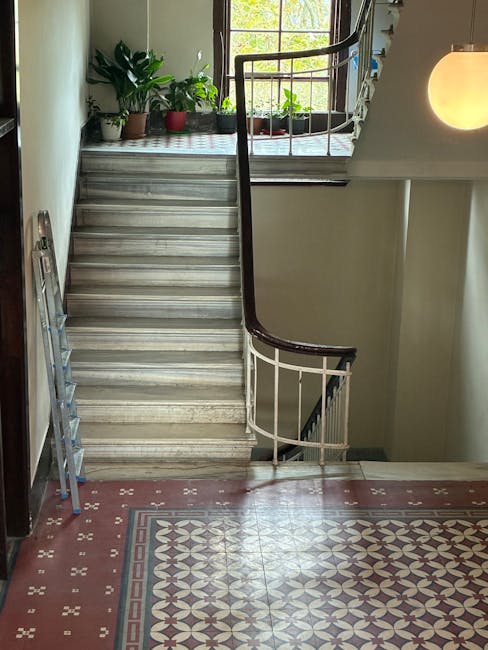
Highbury to Islington removals tips for tight staircases
Moving between Highbury and Islington can look straightforward on a map, but the building itself often tells a different story. Narrow Victorian stairwells, awkward turns, low banisters, and those too-tight landings can make a simple move feel like a puzzle with heavy boxes. If you are dealing with a top-floor flat, a maisonette, or a period conversion, the right Highbury to Islington removals tips for tight staircases can save time, protect your furniture, and reduce stress on moving day.
This guide is built for real London homes, not ideal ones. You will find practical packing advice, stair-safe moving methods, common mistakes to avoid, and a clear step-by-step plan for working around narrow access. We will also cover when it makes sense to use flat removals in Islington, when a smaller vehicle or man and van service in Islington is the smarter choice, and how to plan if you need storage, specialist lifting, or simply a calmer move. Truth be told, stairs like these are where good preparation really pays off.
Table of Contents
- Why Highbury to Islington removals tips for tight staircases Matters
- How Highbury to Islington removals tips for tight staircases Works
- Key Benefits and Practical Advantages
- Who This Is For and When It Makes Sense
- Step-by-Step Guidance
- Expert Tips for Better Results
- Common Mistakes to Avoid
- Tools, Resources and Recommendations
- Law, Compliance, Standards, or Best Practice
- Options, Methods, or Comparison Table
- Case Study or Real-World Example
- Practical Checklist
- Conclusion
- Frequently Asked Questions
Why Highbury to Islington removals tips for tight staircases Matters
Highbury and Islington have a lot in common: character properties, converted flats, and homes where the staircase was clearly designed for a different era. Lovely, yes. Easy to move through with a three-seater sofa? Not always. Narrow staircases matter because they affect almost every part of the move: how you pack, what van size you use, whether furniture can stay assembled, and how many people you need on site.
In our experience, the biggest issue is not always the staircase width itself. It is the combination of things: a sharp turn at the second landing, a bannister that steals a few centimetres, a ceiling slope under the top floor, and a heavy item that looks manageable until you actually try to turn it. If you ignore those details, the move slows down quickly. And once one item jams, everything behind it starts to feel ten times harder.
This is especially relevant for people moving in or out of Islington flats, student accommodation, older terraces, and upper-floor homes. If you are comparing services, it can help to look at removals in Islington alongside more specific options like house removals or furniture removals, depending on what actually needs moving. That sounds simple, but the right fit makes a real difference.
Key point: tight staircases do not just create inconvenience; they change the whole moving plan. Measure first, pack smart, and choose access-friendly methods from the start.
How Highbury to Islington removals tips for tight staircases Works
The basic idea is simple: reduce the size, weight, and awkwardness of everything before it reaches the staircase. Then move items in the safest order possible. That means you are not just "moving house" in the abstract. You are planning a route through a building with real limits.
A good stair-sensitive move usually works in stages. First, assess the access. Then measure key items. Then prepare the property, packing, and lifting plan. On the day, the removals team should carry smaller loads, communicate clearly on landings, and protect walls, floors, and bannisters where needed. It is a bit like choreographing a dance, except the lead is a wardrobe and nobody wants a scratch on the paintwork.
For local moves, service choice matters too. A full vehicle may not be the best answer if parking and access are tight outside the building. In those cases, a smaller removal van in Islington or a flexible man with a van service can make the logistics easier. For larger or more complex jobs, a structured services overview can help you decide what level of support you actually need.
The method is not about brute force. It is about removing friction before the first box ever reaches the staircase.
Key Benefits and Practical Advantages
Planning for tight stairs offers more than convenience. It protects the move from avoidable delays and reduces the chance of damage to belongings and the building itself. To be fair, even experienced movers prefer a job where they can see the turns, know the load sizes, and move without improvising every five minutes.
- Less risk of damage: careful sizing and handling reduce knocks to furniture, paintwork, and bannisters.
- Faster loading and unloading: the team spends less time wrestling with awkward items.
- Lower stress on moving day: clear planning means fewer decisions under pressure.
- Better use of labour: smaller, smarter loads often work better than trying to brute-force a large move.
- More accurate quoting: when access is understood early, the estimate is usually more realistic.
There is also a practical benefit that gets overlooked: better packing discipline. When you know a sofa has to make a hard turn at the top landing, you pack more sensibly, label more clearly, and avoid overfilled boxes. That alone can save you from one of those miserable 8:15am moments when a box of books is somehow twice as heavy as you expected.
If you are moving between compact homes or shifting specific items rather than an entire house, this approach pairs well with packing and boxes in Islington and, where needed, storage in Islington for anything that should not travel through the stairs at all.
Who This Is For and When It Makes Sense
This advice is most useful if any of the following sound familiar:
- you live in a top-floor flat with a narrow internal staircase;
- your building has a sharp landing turn or low ceiling clearance;
- you are moving large furniture like beds, wardrobes, sofas, or bookcases;
- you are combining a move with decluttering and want to avoid moving unnecessary items;
- you are a student or renter moving out of a compact property;
- you are coordinating a same-day or short-notice move and need a simple plan fast.
It also makes sense if you are comparing local moving options and trying to decide whether you need a full team or something lighter. For example, students leaving shared flats often benefit from a smaller, faster setup, while families moving from a larger property may need a more structured service. If that sounds like your situation, take a look at student removals in Islington or house removals in Islington depending on the scale of the job.
Highbury to Islington removals tips for tight staircases are also a good fit if you are already feeling unsure about access. That uncertainty is normal. You do not need to guess your way through it.
Step-by-Step Guidance
1. Measure the staircase, not just the furniture
Start with the access route: stair width, landing depth, ceiling height, turning space, and door openings. Measure the narrowest points. A tape measure and a quick sketch are more useful than people think. If there is a bannister that might be removable, note that too. Just do not assume anything will "probably fit" because the flat feels spacious once you are standing in the hallway.
2. Measure the biggest items in their real moving shape
Many people measure a sofa or wardrobe as if it will travel in a perfect straight line. It probably will not. Check whether items can be angled, dismantled, or turned on edge safely. Bed frames, tables, and modular shelving often move better when partially broken down.
3. Decide what should be dismantled before moving day
Disassemble what you can without risking damage. Keep screws, bolts, and small fittings in labelled bags. Tape the bag to the item or keep everything in one clearly marked box. This sounds minor, but missing fittings are one of those irritating little problems that can stall the whole day.
4. Pack for easy carrying, not maximum box capacity
Use smaller boxes for books, dishes, and other heavy items. Overpacked boxes are hard enough to carry on level ground; on stairs, they become a liability. Leave a little breathing room in each box and spread weight more evenly across the move.
5. Clear the staircase and protect surfaces
Remove mats, loose shoes, plants, framed pictures, and anything that might snag a sleeve or catch a box. Where appropriate, use floor covers, door protection, or blanket wrap. That protection is especially helpful in older buildings where paintwork and wood trim can mark quickly.
6. Load and unload in the right order
Put the most awkward items first, while energy and focus are high. Usually that means beds, sofas, or large furniture. Easier boxes can follow. If the team has to reverse course or shuffle items around, the day gets longer. Nobody wants to be half-way through and realise the wardrobe should have been dealt with first. It happens. More than people admit.
7. Use short, clear communication on the stairs
Call out before turning, lifting, lowering, or stepping back. Even a simple "pause" or "watch the landing" makes a difference. On narrow staircases, communication is as important as strength. Clear footing matters too, especially if the staircase has worn edges or uneven tread depth.
8. Keep a no-rush zone around the move
Try not to let friends, neighbours, pets, or curious helpers crowd the staircase. One person carrying a box needs space more than advice. A calm route is a safer route.
Expert Tips for Better Results
A few small choices make a surprisingly large difference on tight staircases. They are not glamorous, but they work.
- Use smaller loads than you think you need. A box that is 10% lighter often feels 50% easier on stairs.
- Wrap corners and edges properly. Door frames and bannister posts suffer first.
- Keep one person free when possible. Someone who can open doors, guide turns, and spot hazards is worth their weight in tea.
- Plan for the landing, not just the stairs. Most jams happen at turns, not on the straight run.
- Ask about specialist handling early. If you have a piano, oversized mirror, or heavy antique, do not leave that decision until moving morning.
For fragile or unusually heavy pieces, it can be worth exploring specialist services such as piano removals in Islington or dedicated furniture removals. Those services exist for a reason. A grand piano on a tight staircase is not a "we'll just see how it goes" situation.
Also, check parking and access near both addresses well before moving day. If the van cannot stop close enough, the staircase problem gets worse because everything has to be carried further. A move that looks fine on paper can become a chore very quickly once the kerb space disappears.
Common Mistakes to Avoid
Most staircase problems are predictable. That is the annoying part. The good news is you can avoid them with a little attention upfront.
- Ignoring the landing turn. Many items fit the stairs but fail at the corner.
- Overfilling boxes. Heavy boxes are harder to grip and harder to control.
- Forgetting about banisters and light fittings. A few centimetres can make all the difference.
- Leaving dismantling to moving day. That creates delays and clutter right where you need space.
- Assuming every service is the same. A smaller move, urgent move, or awkward-access move may need a different setup.
- Not checking building rules. Some buildings have specific moving windows or access expectations.
A lot of headaches also come from trying to save time in the wrong place. People cut corners on measurements, then spend twice as long forcing a sofa around a stair bend. It is a very human mistake, honestly. But it is avoidable.
Tools, Resources and Recommendations
You do not need specialist kit for every move, but a few basic tools make a big difference:
- tape measure and notebook;
- packing tape and strong marker pens;
- blankets, furniture covers, or padded wrap;
- gloves with a good grip;
- basic tools for dismantling furniture;
- door wedges to hold doors open when needed;
- floor protection for hallways and landings.
For people who want a simpler route, it is worth reviewing a provider's overall support pages before booking. A good place to start is the Islington N1 removal company page together with the about us page to understand the team, and pricing and quotes if you want to compare scope and budget with a bit more confidence.
If you are packing several rooms, a staged approach helps. Put the items you will not need first into storage or into clearly labelled boxes. If you are moving around a busy local schedule or need short-term holding space, storage in Islington can take pressure off the staircase and give you breathing room.
And if you need a fast local move, a lighter service like man with a van in Islington can be a practical fit for smaller, less complex jobs.
Law, Compliance, Standards, or Best Practice
For most domestic moves, the main compliance issues are practical rather than legal: safe lifting, careful handling, insurance awareness, and respecting building access rules. There is no magic shortcut here. If a staircase is narrow, the safest approach is still the safest approach.
Good practice usually includes:
- safe manual handling: use two-person lifts where needed and do not carry loads that block your view;
- appropriate insurance: check whether the removals provider has suitable cover for goods in transit and public liability;
- clear access planning: confirm parking, loading points, lifts, and time windows with building management if relevant;
- property care: protect communal areas, walls, and floors to reduce the risk of accidental damage;
- honest disclosure: tell the mover about awkward furniture, restricted access, or very steep stairs in advance.
If you are booking a professional service, it is reasonable to ask about insurance and safety, health and safety policy, and even the company's terms and conditions. That is not overthinking it. That is sensible due diligence.
For some customers, especially those with accessibility needs or limited mobility, the route and support plan matter even more. In those cases, it is worth checking the company's accessibility statement and talking through the stair arrangement openly before confirming anything.
Options, Methods, or Comparison Table
Different moves call for different methods. A simple comparison can make the choice much clearer.
| Method | Best for | Pros | Trade-offs |
|---|---|---|---|
| Full removals service | Whole-home moves, multiple large items, complex access | More support, better coordination, less manual pressure on you | Usually the most involved option |
| Man and van | Smaller flats, light-to-medium loads, short local moves | Flexible, often efficient for Islington streets | May be less suitable for heavy or specialist items |
| Smaller removal van | Restricted parking or tight access roads | Easier to position close to the property | May require more trips |
| Specialist item handling | Pianos, antiques, oversized furniture | Safer handling for valuable or awkward pieces | Needs advance notice and planning |
For many Highbury-to-Islington moves, the best answer is not the biggest service. It is the one that fits the building. That may sound obvious, but people often choose too much vehicle and not enough planning, which is the wrong way round.
Case Study or Real-World Example
Picture a common local scenario: a second-floor flat off a busy Islington street, with a narrow staircase, a sharp right-hand turn at the landing, and a sofa that looked fine in the living room but now seems suspiciously large. The move is scheduled for a Saturday morning. Outside, there is limited parking and a bit of early traffic. Not ideal, but manageable.
The team measures the sofa, checks the landing, and confirms it will need a tilt-and-turn manoeuvre rather than a straight carry. Small boxes are packed first. The wardrobe is dismantled the evening before. The hallway is cleared, floor protection is laid, and the moving route is kept free. One person calls the turns. Another spots the banister. The sofa gets through on the first serious attempt, not because anyone was lucky, but because the plan matched the building.
Now compare that with the rushed version: no measurements, overpacked boxes, and a refusal to dismantle anything because "it should be fine." That second version usually ends with sweating, shouting, and at least one moment of silence while everyone stares at a piece of furniture wedged diagonally across a landing. We have all seen that kind of day. Nobody wants it.
If you want more local context about moving within the area, the guides on Upper Street flats in Angel and Islington real estate tips can also be useful for understanding the types of buildings and access challenges common nearby.
Practical Checklist
Use this checklist the day before the move. It keeps things calm, which is half the battle.
- Measure staircase width, landings, and door frames.
- Measure the largest furniture items in their moving position.
- Dismantle any item that can be safely broken down.
- Pack books and dense items in small boxes.
- Label every box clearly by room and priority.
- Clear hallways, stairs, and entry points.
- Protect floors, walls, and bannisters where needed.
- Confirm parking and loading access at both addresses.
- Keep tools, screws, and fittings in one clearly marked bag or box.
- Set aside valuables and essentials you will carry yourself.
- Tell the removals team about anything awkward or fragile in advance.
Expert summary: if the staircase is tight, the move should become smaller, clearer, and more deliberate. That is the whole game. Measure properly, pack lightly, and choose the right kind of help.
Conclusion
Moving between Highbury and Islington does not have to be a wrestle with the stairwell. With the right preparation, tight stairs become a manageable constraint rather than a moving-day disaster. The key is to plan for the building you actually have, not the one you wish you had. Measure the access, pack sensibly, dismantle where needed, and choose a service that suits the route as much as the load.
If you are still comparing options, it is worth looking at a trusted local team, checking the service scope, and asking direct questions about access, timing, and handling. A good mover will not mind the detail. In fact, they will probably be glad you asked.
Get a free quote today and see how much you can save.
And if you do end up moving on a grey London morning with a mug of tea going cold somewhere nearby, take a breath. The right plan makes even the narrowest staircase feel a bit less unfriendly.
Frequently Asked Questions
How do you move furniture up a tight staircase safely?
Start by measuring the staircase and the furniture, then dismantle what you can, protect walls and bannisters, and use two people for awkward items. Communication matters a lot on landings and turns.
Should I dismantle furniture before a move in Islington?
Yes, if it can be done safely. Beds, tables, shelving, and some wardrobes often move far better in parts. Keep the fittings in one labelled bag so reassembly does not become a scavenger hunt.
What if my sofa does not fit around the staircase turn?
If the turn is the problem, check whether the sofa can be angled differently, partially dismantled, or moved through another route. If none of that works, you may need a specialist solution or to replace the item.
Is a man and van service enough for a flat with narrow stairs?
Sometimes, yes. For smaller loads or shorter local moves, man and van in Islington can be a very sensible choice. For heavier or more complicated access, a fuller service is usually better.
How far in advance should I book a removals company for a tight-access move?
As early as you reasonably can, especially if you need a specific time window or specialist handling. Tight staircases add planning needs, so giving notice helps avoid last-minute stress.
What should I tell the removals team before moving day?
Tell them about stair width, sharp turns, low ceilings, fragile items, parking restrictions, and anything large or unusually heavy. The more accurate the information, the smoother the day.
Do I need insurance for a staircase-heavy move?
You should check what cover the removals provider holds and what is included. It is sensible to ask about goods in transit and public liability, especially where there is a risk of accidental scuffs or knocks.
Can tight staircases make moving more expensive?
They can, because access issues may increase the time, labour, or equipment needed. Exact pricing depends on the job, which is why a proper quote matters more than a rough guess.
What size boxes work best for stairs?
Smaller boxes are usually best for heavy items like books, kitchenware, and files. On stairs, control matters more than capacity. A lighter box is easier to carry, turn, and lower safely.
How do I protect my walls and bannisters during a move?
Use blankets, corner protection, and floor coverings where appropriate, and keep one person guiding the item through the narrowest points. A little protection goes a long way in older flats.
What if I need storage because the staircase makes moving everything at once too difficult?
Short-term storage can split the move into easier parts. It is especially useful if some items are bulky, not urgent, or better moved after you have settled the main rooms.
Are there services for awkward or specialist items like pianos?
Yes. Items such as pianos, antiques, and oversized furniture often need specialist handling. If that is part of your move, look at dedicated options like piano removals in Islington rather than treating them like ordinary boxes.