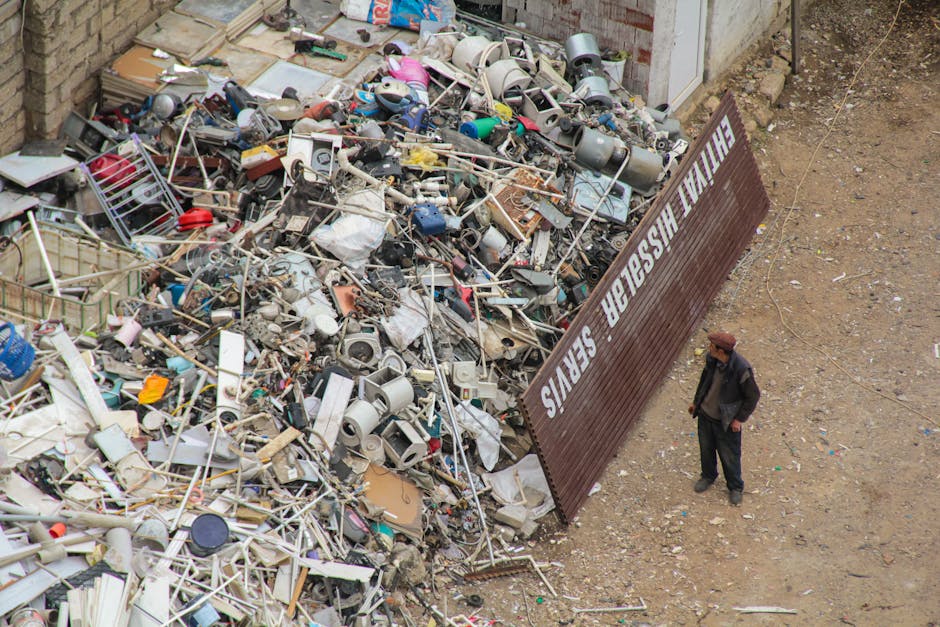
Waste disposal rules for Islington removals and donations
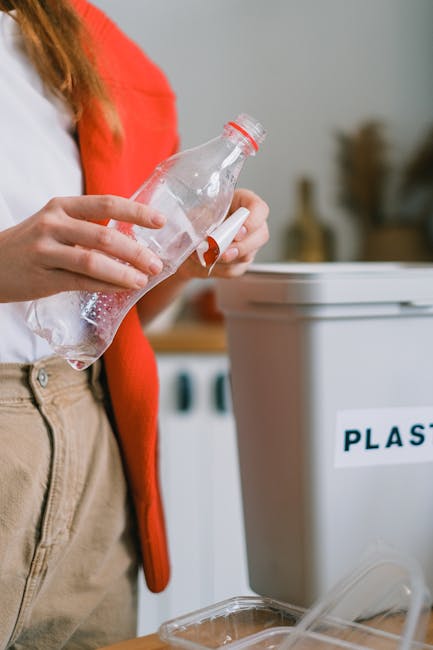
Moving house, clearing a flat, or sorting out a donation pile can feel simple right up until the bins start overflowing and the hall is full of boxes, broken lamps, and that one wardrobe you swore you'd deal with last year. Waste disposal rules for Islington removals and donations matter because the wrong item in the wrong place can turn a tidy move into a mess fast. In practice, the best results come from planning what will be reused, what should be recycled, and what must be taken away responsibly. That's especially true in London, where space is tight, collection days are not something you want to miss, and neighbours notice a corridor full of junk in about five seconds.
This guide walks through the sensible, real-world way to handle disposal during a move, with a clear focus on donations, recycling, bulky items, and the practical expectations around compliance. You'll find what the rules mean in everyday terms, how to avoid common mistakes, and how to make the process cleaner, cheaper, and less stressful. Truth be told, a little structure saves a lot of last-minute panic.
- Why these rules matter
- How disposal and donations work in practice
- Key benefits and practical advantages
- Who needs this guidance
- Step-by-step guidance
- Expert tips for smoother removals
- Common mistakes to avoid
- Tools, resources and recommendations
- Law, compliance and best practice
- Options and comparison table
- Real-world example
- Practical checklist
- Conclusion
- Frequently asked questions
Why Waste disposal rules for Islington removals and donations Matters
When you're moving or donating items, waste rules are not just a bit of admin. They shape what can be left out, what should be separated, and what needs special handling. In a dense area like Islington, an item left on the pavement at the wrong time can cause obstruction, attract fines, or simply become someone else's problem. Not ideal.
The other side of it is more positive. Good disposal habits make removals faster, reduce vehicle load, and help decent items find a second life. A table that still has years left in it should not end up in landfill just because nobody had a plan. A box of old cables, cracked plastic trays, and a chair missing two screws? That's a different story. Sorting the two categories properly is the whole game.
It also matters because donation centres and reuse channels usually expect items to be clean, safe, and usable. If something is stained, broken, or missing parts, it may no longer count as a donation. That's where many people get caught out. They assume "someone can fix it," but in real life most charities and reuse groups need things that are ready to go.
Practical takeaway: if an item is safe, clean, and complete, it may be suitable for donation; if it is damaged, contaminated, or mixed with general rubbish, treat it as waste and handle it accordingly.
How Waste disposal rules for Islington removals and donations Works
At a basic level, you sort your belongings into a few clear streams: keep, donate, recycle, reuse, or dispose. That sounds almost too simple, but it's the simplest model because it works. The trouble begins when people throw everything into one pile and hope the moving day will sort itself out. It rarely does.
For removals in Islington, the practical process usually looks like this:
- Separate items early, not on the morning of the move.
- Identify furniture and household goods that could be donated.
- Set aside recyclables such as cardboard, metal, and some plastics where accepted.
- Check anything that may need special handling, such as mattresses, electricals, paint, or sharp items.
- Arrange collection, drop-off, or disposal through the right route.
In many cases, the move itself becomes easier if disposal is done first. That is one of those common-sense things people only appreciate once they've tried to carry a sofa down a narrow stairwell with a donation bag balanced on top. Not fun.
If you are using a removals service alongside disposal support, ask in advance what they will and will not take. A well-run service should be clear about the separation between transport, moving assistance, and waste handling. For broader household moves, pages like house removals and removal services are useful starting points when planning the move itself.
Donations work differently from waste. The item still needs to be worthy of reuse. Clean clothing, functional kitchenware, intact furniture, and boxed items with all parts are generally easier to pass on. But if an item has mould, infestation damage, heavy wear, or missing key components, donation is usually not realistic. Better to be honest at the start than waste everybody's time later.
Key Benefits and Practical Advantages
There are a few genuinely useful benefits to handling disposal properly during an Islington move, and not all of them are obvious at first glance.
- Less clutter on moving day: fewer items in the way means quicker loading and less stress at the door.
- Lower vehicle use: if donations and recycling are separated early, you may need less transport space.
- Better reuse outcomes: usable items are more likely to reach someone who needs them.
- Reduced risk of mistakes: sorting before the move helps you avoid mixing rubbish with donations.
- Cleaner property handover: especially useful for tenants who need to leave a flat tidy.
- Less emotional overload: honestly, a clear plan makes decluttering feel less overwhelming.
There is also a financial angle. Disposing of everything as general waste can be more expensive and less efficient than separating valuable reuse items or recycling properly. Even where exact costs vary, the principle is consistent: better sorting usually means better value. And in a city where time and space are both at a premium, that matters more than people expect.
For furniture and larger household items, it can be worth reviewing options such as furniture removals or furniture pick-up if the item is too bulky for a standard car boot run. That small decision can save a lot of back strain. Ask anyone who has tried to wrestle a bookcase down a staircase at 7:30 in the morning.
Who This Is For and When It Makes Sense
This guidance is useful for almost anyone moving in or out of Islington, but it is especially relevant if you are dealing with one of these situations:
- Tenants ending a lease: you need to leave the property clear, tidy, and compliant with your agreement.
- Homeowners decluttering before a move: perfect for reducing volume and deciding what stays.
- Flat movers: tight stairwells and limited parking make planning essential. Flat moves can get fiddly fast.
- Students leaving digs: small items, leftover bits, and shared household waste pile up surprisingly quickly.
- Office movers: paper, electronics, packaging, and old furniture need separate handling.
- Families downsizing: larger volumes of furniture often need a donation or disposal strategy.
If you are managing a work move, the same basic rules apply but with more paperwork, more mixed waste, and often more attention to safe handling. In that case, services like office removals and commercial moves may be more relevant than a simple household clear-out.
It also makes sense if you are trying to be more sustainable. Not in a vague, feel-good way. In a practical way: less landfill, more reuse, fewer wasted trips, and a better end result overall. That's the sort of sustainability most people can actually stick with.
Step-by-Step Guidance
Here's the process that tends to work best when you want to handle waste disposal rules for Islington removals and donations without last-minute chaos.
1. Start with a room-by-room sort
Go through one room at a time. Decide whether each item is staying, being donated, recycled, or disposed of. If you jump around the flat, you'll end up with three half-finished piles and a headache. A kitchen drawer alone can take longer than expected, especially if it has chargers, mystery keys, and one slightly sticky pen.
2. Separate donation-worthy items
Only keep items for donation that are in decent shape. Think of what you would be happy receiving yourself. That standard is simple, but it's a good one. Worn but usable is usually fine. Dirty, broken, incomplete, or unsafe is not.
3. Pull out recyclables
Cardboard boxes, clean paper, some plastics, metal items, and certain electricals may be recyclable depending on the item and local collection arrangements. Break boxes down flat where you can. It saves space and makes the moving area less chaotic.
4. Identify bulky or awkward items early
Mattresses, wardrobes, sofas, broken tables, and heavy appliances need extra attention. They are the things that catch people out. A bulky item left until moving day is how a "simple" move becomes a two-hour obstacle course.
5. Pack donations separately and label them
Use clear labels such as "donate," "recycle," or "waste." It sounds basic because it is basic. Basic works. You will be glad you did this when everything starts looking identical in cardboard form.
6. Arrange the right collection or handover
Some items may need a charity drop-off, some may suit collection, and some may require specialist disposal. If you are using a moving company for transport, confirm whether disposal is part of the service or something you must organise separately.
7. Do one final sweep
Check cupboards, loft spaces, under beds, behind radiators, and the inside of drawers. People always forget at least one charger, one shoe, or one bin bag. Always.
Expert Tips for Better Results
A few small habits make a very big difference here.
- Plan disposal before packing: if you pack first and sort later, you often end up moving junk you never needed.
- Use clear categories: one pile each for keep, donate, recycle, and dispose.
- Be strict with donations: if it would embarrass you to hand it over, it probably should not be donated.
- Keep a "moving day essentials" bag separate: documents, chargers, keys, snacks, and medicines should not disappear into a donation box by mistake.
- Take photos of bulky items: this helps if you need a quote or need to explain access issues.
- Use storage if timing is awkward: if your new place is not ready, temporary storage can stop you from dumping perfectly useful items in a rush.
There is also a judgment call around sentimental items. A lot of moving stress comes from not knowing whether to keep something "just in case." You do not need to make that decision perfectly. You only need to make it honestly. That is often enough.
If the move is complex, combining disposal with other services can help the day run smoothly. For example, some people pair clearance work with packing and unpacking services or use storage for items they are not ready to let go of. A slightly gentler process, basically.
Common Mistakes to Avoid
Most disposal problems during removals come from a handful of very ordinary mistakes. Nothing dramatic. Just small oversights that pile up.
- Leaving sorting until the final day: this creates stress and makes bad decisions more likely.
- Donating damaged items: charities and reuse channels usually cannot take them.
- Mixing waste and donations: once bags are mixed, good items often end up being treated as rubbish.
- Ignoring hidden waste: lofts, sheds, and cupboards are classic hiding places for forgotten clutter.
- Not checking access: if a bulky collection cannot get through the doorway or parking area, you may need another plan.
- Assuming every service handles disposal: always confirm what is included.
One especially common issue is "near-donation" items: things that are almost good enough. A lamp that works but has a damaged plug. A sofa that looks fine but smells damp. A pile of cookware with loose handles. They sit in the grey area, and grey areas create delays. When in doubt, err on the side of safety and honesty.
Tools, Resources and Recommendations
You do not need fancy equipment to get this right, but a few simple tools help enormously.
- Marker pens and labels: for marking donation, recycling, and waste piles.
- Heavy-duty bags: useful for mixed waste and loose items.
- Box cutters or scissors: to flatten packaging safely.
- Gloves: sensible for lofts, sheds, or dusty clear-outs.
- Stretch wrap or tape: handy for keeping grouped items together.
- Inventory notes: a quick list on your phone can stop valuable items being thrown away by mistake.
In terms of service planning, it helps to look at the full move rather than disposal in isolation. If you need transport, a removal van or man with van option may be enough for a smaller clear-out. Bigger moves may suit a more structured approach through man and van or full-scale removal support. The right fit depends on volume, access, and how much lifting you want to do yourself.
For sustainability-minded customers, the recycling and sustainability page is a useful reminder that good disposal isn't only about getting rid of things. It is also about sending them to the right place, in the right condition, with the least waste possible.
Law, Compliance, Standards, or Best Practice
This is the area where people most want certainty, and fair enough. But with waste disposal, a careful approach is better than pretending there is one universal answer for every item. In the UK, households and businesses are generally expected to manage waste responsibly, avoid fly-tipping, and keep items separated when that supports proper recycling or lawful disposal. For certain materials and larger waste streams, specialist handling may be required.
Best practice in a move is straightforward:
- Do not leave waste on pavements unless a proper arrangement allows it.
- Do not pass off damaged or unsafe goods as donations.
- Keep hazardous or awkward items separate until you know how they should be handled.
- Use insured, reputable services for moving and disposal-related transport.
- Make sure access, lifting, and storage are planned safely.
For a move, safety and compliance go hand in hand. That includes people, property, and the stuff in the middle. Pages such as insurance and safety and health and safety policy are relevant if you want to understand how a professional service approaches risk and care. If you are comparing providers, it is also sensible to review terms and conditions so you know what is covered and what is not. Not glamorous, but very useful.
For a wider picture of how a company operates, a quick look at about us can help you judge whether the service feels practical, transparent, and well organised. That kind of reassurance matters more than people admit.
Options, Methods, or Comparison Table
Choosing the right disposal route usually comes down to three questions: Is the item reusable? Is it recyclable? Or is it plain waste? Here's a simple comparison.
| Option | Best for | Main advantage | Watch out for |
|---|---|---|---|
| Donation | Clean, usable furniture, clothes, books, household goods | Extends the life of items and reduces waste | Items must be safe, complete, and presentable |
| Recycling | Cardboard, metal, selected plastics, some electricals | Better environmental outcome than general waste | Not all materials or mixed items are accepted |
| General waste | Broken, dirty, contaminated, or non-reusable items | Simple final route for unusable goods | Can be costly if used for things that could have been reused |
| Specialist disposal | Bulky, hazardous, or awkward items | Safer handling and better compliance | Needs more planning and may take longer |
If you are stuck between donation and disposal, ask one practical question: would someone reasonably want to use this item tomorrow? If the answer is no, the item probably belongs in waste or specialist handling. That simple test saves time.
Case Study or Real-World Example
A typical example: a couple moving out of a flat near central Islington had a sofa, two chairs, a dining table, several boxes of kitchenware, and a pile of packaging from new furniture. At first glance, the whole lot looked like "moving stuff." Once they sorted it properly, the picture changed. The sofa had a tear and was not suitable for donation. The chairs were usable, but one had a loose leg and needed fixing before anyone could take it. The table was fine. The kitchenware was a mix of reusable and chipped items. The packaging was mostly cardboard and could be flattened and recycled.
That sort of split is common. People imagine disposal is one big job, but in reality it is a set of smaller decisions. Once they separated the items, the move became easier, the van load was lighter, and the donation items were cleanly packed. A small thing, but it made the day calmer. There was less back-and-forth, less noise, less "where did that box go?" in the hallway.
What helped most was the early sort. They did it two evenings before the move, with labels, tape, and a cup of tea on the side. Not glamorous, but effective. And to be honest, that is often the difference between a controlled move and a frantic one.
Practical Checklist
Use this checklist before move day. It keeps things tidy and avoids those last-minute surprises that always seem to arrive just as the kettle is packed.
- Separate items into keep, donate, recycle, and dispose.
- Check donation items are clean, safe, and complete.
- Flatten cardboard boxes and bundle recyclable packaging.
- Identify bulky, awkward, or heavy items early.
- Confirm whether your chosen removals service handles transport only or also disposal-related pickup.
- Label boxes and bags clearly.
- Set aside documents, keys, chargers, and essentials.
- Inspect cupboards, loft spaces, and under furniture before leaving.
- Check if any item needs specialist handling.
- Keep the property clear for the final handover.
Quick practical summary: sort early, donate only what is genuinely reusable, recycle what can be recycled, and treat the rest as proper waste. That's the cleanest way through it.
If you want the move itself to feel smoother, services like flat removals, home moves, and student removals can be matched to the scale of your job, rather than trying to force everything into one approach.
Conclusion
Waste disposal rules for Islington removals and donations are really about doing the sensible thing in the right order. Decide what can be reused, what can be recycled, and what must be disposed of properly. Keep donation items clean and suitable, separate the awkward bits early, and make sure you know what your removals provider will actually handle.
Handled well, this part of moving becomes less of a headache and more of a quiet win. Fewer bags, fewer surprises, less guilt about waste, and a better chance that good items keep their usefulness. That's a nice result, especially on a day already full of boxes and paperwork.
Get a free quote today and see how much you can save.
When the last box is out and the room finally echoes a little, it is a good feeling. Small, maybe. But real.
Frequently Asked Questions
What counts as a donation during a move?
A donation is usually an item that is clean, safe, and usable by someone else without repair. Think decent furniture, working appliances, good-quality clothing, books, and household goods in fair condition.
Can I leave items on the pavement for collection?
Only if you have arranged a proper collection route and the items are allowed to be placed out that way. Leaving things out without a plan can create problems, and in a busy area it can quickly become an obstruction.
How do I know if something should be recycled or thrown away?
Ask whether the item is clean, separable, and accepted in the relevant recycling stream. If it is mixed material, contaminated, or broken beyond reuse, general waste may be the safer route.
Are broken furniture items ever suitable for donation?
Usually not, unless the issue is minor and clearly repairable before handover. Charities and reuse groups typically need items that are ready to use, not projects.
What should I do with bulky items like wardrobes or mattresses?
Plan them early. Bulky items often need special collection or a larger vehicle, and they can slow the whole move down if left to the last minute.
Do removals companies always take waste away?
No, not always. Some handle moving only, some help with furniture transport, and some may offer disposal-related support. Always check before booking so there are no surprises.
Is it better to donate before moving or after?
Before moving is usually better. It reduces load, clears space, and makes the packing process simpler. Waiting until after a move often means the donation pile becomes a storage pile, which nobody wants.
What if I have a mix of reusable and unusable items?
That is very normal. Split them into separate categories and deal with each one properly. A mixed clear-out is the standard scenario, not a special case.
How can I make disposal faster on moving day?
Sort early, label clearly, and keep donation, recycling, and waste in separate areas. The more decision-making you do before the van arrives, the smoother the day feels.
What is the safest way to handle sharp or heavy discarded items?
Wrap and secure sharp edges, keep heavy items low and stable, and do not overload bags beyond what you can lift safely. If an item feels awkward or risky, treat it with caution rather than force.
Should I keep receipts or records for disposal and donations?
It can be sensible to keep a simple record, especially for larger clear-outs or anything you may need to reference later. Photos and notes are often enough. Nothing fancy.
Can storage help if I am unsure about some items?
Yes. Short-term storage can buy you time if you are not ready to decide on certain belongings. That can be especially helpful during a staggered move or when completion dates shift.