Commercial Moves in Islington
Professional business relocation support for Islington companies

If you are planning Commercial Moves in Islington, you are probably already balancing a long list of priorities: keeping staff informed, protecting equipment, reducing downtime, and making sure the move happens with as little disruption as possible. That is exactly why a local, organised, and experienced approach matters. A business relocation is never just about lifting desks and boxes. It is about moving a working environment safely, efficiently, and with respect for your time, your property, and your operations.
Islington is a busy and varied part of North London, with everything from modern office suites and co-working spaces to high-street shops, clinics, studios, hospitality venues, and professional practices. Each type of premises brings different access issues, packing needs, and timing requirements. A commercial move in this area often has to work around restricted parking, narrow streets, controlled loading bays, mixed-use buildings, and tight building management rules. Local knowledge can make the difference between a stressful move and a controlled one.
Whether you are relocating a small office near Angel, moving a creative team in Clerkenwell fringe locations, shifting stock from a retail unit in Upper Street, or preparing a multi-room workspace in Canonbury or Highbury, the process should feel structured from start to finish. The best commercial removal service helps you plan, prepare, transport, and settle in with confidence. Contact us today to begin planning your move, or request a free quote when you are ready to compare options.
Why businesses in Islington choose local commercial movers

Choosing a local team for business removals in Islington brings practical advantages that larger, less familiar operators may struggle to match. The area has a wide mix of commercial properties, and many of them require more than a standard removals approach. A good local crew understands how to manage busy roads, residential-only side streets, loading restrictions, and access points that are not always easy for larger vehicles. That local awareness helps keep your relocation on schedule and reduces the chance of avoidable delays.
Another major benefit is flexibility. Commercial clients often need moves outside normal trading hours, during weekends, or in carefully staged phases so that essential services stay open. A nearby team is better positioned to coordinate these arrangements and respond quickly if plans change. This is especially useful for businesses in Islington where buildings may have strict move-in windows, lift booking rules, or staggered access times. In these circumstances, efficient planning is not a luxury; it is essential.
Local customers also appreciate a service that understands the character of the borough. Islington includes busy shopping streets, compact terraces, converted period buildings, newer developments, and office premises with shared entrances. A move can involve awkward stairways, limited waiting space, fragile fixtures, or shared corridors that need extra care. A team that regularly works in the area is more likely to bring the right equipment, the right timing strategy, and the right pace for the building type.
What commercial moving services can include

Every business relocation is different, so the service should be shaped around your specific setup. Some companies need a complete end-to-end move, while others only need help with transport and heavy lifting. A well-planned commercial removals service can cover a wide range of requirements, from a small office move to a larger business relocation involving multiple departments.
Typical support may include:
- Pre-move planning to assess access, timing, and the volume of items to be moved.
- Packing assistance for office items, files, IT equipment, stock, and specialist materials.
- Furniture dismantling and reassembly for desks, meeting tables, shelving, and workstations.
- Secure handling of equipment such as monitors, printers, servers, and sensitive electronics.
- Transport between premises with the right vehicle size for your access and load.
- Unloading and placement so items arrive in the correct rooms or work areas.
- Phased relocation support for businesses that need to stay partially operational during the move.
For many customers, the most valuable part of a commercial move is not the physical lifting itself but the coordination around it. Business owners want a move that is neat, predictable, and adapted to the realities of the workplace. That means clear labelling, careful handling, sensible sequencing, and a focus on getting your business back to work quickly.
Types of commercial premises we commonly move in Islington
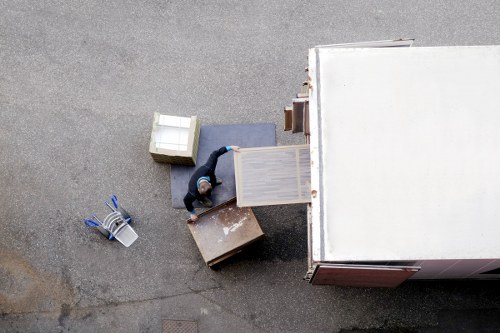
Islington has a broad commercial landscape, and that variety makes business relocation work especially important. Offices in converted townhouses need careful stair and corridor handling. Clinics and professional practices often have privacy-sensitive files and specialist furniture. Retail shops may have fixtures, display units, and stock that must be moved without affecting trading plans. Hospitality venues can involve kitchen items, furniture, storage, and equipment that need safe and orderly relocation. Creative businesses may need packaging for artwork, media gear, or design materials.
Common move types in the area often include:
- Office relocations for small firms, agencies, consultancies, and shared workspaces.
- Retail moves for shops, boutiques, and high-street premises.
- Hospitality relocations for cafés, restaurants, bars, and catering-related businesses.
- Practice and clinic moves for health, wellness, and professional service providers.
- Warehouse or stock room transfers for light commercial storage and inventory.
- Studio and workshop moves for creative, technical, or production spaces.
Because many Islington properties are older or repurposed, every move needs a site-specific approach. A service that works well in a modern business park may fail in a compact terrace conversion if it does not account for stairs, parking, and narrow access. That is why commercial removals in Islington should always be planned around the building, not just the number of items.
How the move process usually works

A smooth business relocation follows a sensible sequence. While every job is different, the process generally begins with an assessment of what needs moving, where it is going, and how access works at both ends. This stage is important because it allows the team to estimate the level of labour, the vehicle size, and the amount of packing or dismantling required. For larger offices, it may also involve reviewing floor plans, lift access, and any building management rules.
Once the move is agreed, the next step is usually preparation. This can include labelling items by department or room, setting aside equipment that needs extra protection, and confirming the order in which different areas will be packed. For many commercial customers, a staged packing plan is the easiest way to reduce confusion on moving day. It helps staff understand what is happening and makes it easier to reopen quickly at the new site.
On moving day, the team will load items carefully, transport them to the new location, and place them according to the agreed plan. If furniture dismantling or reassembly is included, that work is carried out in a practical sequence so you can get back to normal as soon as possible. In some cases, the move may continue after hours or over several visits to keep business interruption to a minimum. If needed, book your service now to secure a moving date that suits your trading schedule.
Planning considerations for Commercial Moves in Islington
Planning is one of the most important parts of any commercial relocation. Islington’s roads and building layouts can create challenges that are easy to underestimate if you have not moved locally before. Parking can be limited, and access for vans may be restricted in certain streets or at certain times of day. Some buildings have loading bays, but they may need to be booked in advance. Others have shared entrances, fixed delivery windows, or porter arrangements that must be respected.
It also helps to think carefully about the timing of your move. If your business serves customers directly, you may want to avoid peak trading hours or busy weekdays. If you rely on staff being available, you may need to coordinate the move around shifts, client appointments, or service deadlines. For offices, a Friday evening or weekend move may reduce downtime. For retail or hospitality premises, a phased approach may be more suitable, especially where stock or equipment needs to remain in use until the final stage.
Good planning should also include a review of anything that requires special care. That might be confidential documents, fragile display items, laptops, specialist tools, artwork, or heavy furniture. The more clearly these items are identified in advance, the easier it is to protect them properly. If you are preparing for commercial removals in Islington, an organised checklist and a sensible move schedule are two of the best tools you can have.
How to prepare your business for moving day
Practical steps that make a real difference
The smoother your preparation, the less pressure there will be on the day itself. Even a well-run move becomes harder if people are still packing at the last minute or if no one is sure what should go where. Preparing early also helps your team maintain normal work habits for as long as possible before the relocation.
A practical preparation checklist may include:
- Confirming what stays, what goes, and what should be disposed of separately.
- Labelling boxes and furniture by department, floor, or room.
- Backing up important digital data before disconnection.
- Setting aside sensitive files for secure handling.
- Measuring the new space to check that key items will fit.
- Notifying staff of the move timetable and assigned responsibilities.
- Keeping essential supplies, chargers, and day-one items in a clearly marked group.
It is also sensible to appoint one or two people who can make quick decisions during the move. That avoids confusion if there are questions about furniture placement, box locations, or access at the new site. For businesses in Islington with busy premises and shared building access, having a clear point of contact can save time and reduce stress.
Tip for offices and clinics
If your business uses confidential paperwork or patient/client records, prepare those items separately and label them clearly for careful transport. Keeping sensitive material organised from the start protects privacy and speeds up unpacking.
What affects pricing for commercial moves
Why quotes can vary from one business to another
Commercial move costs are usually shaped by the details of the job rather than by a one-size-fits-all formula. That is a good thing for customers, because it means you are more likely to pay for the actual work you need. When asking for a quote, it helps to provide as much accurate information as possible so the estimate reflects the real scope of the move.
Common pricing factors include:
- Volume of items – the amount of furniture, stock, files, and equipment to move.
- Access conditions – stairs, lifts, narrow entrances, loading restrictions, and parking distance.
- Distance between locations – whether the move is local within Islington or involves nearby areas.
- Level of packing support – whether you need full packing, partial packing, or transport only.
- Dismantling and reassembly – required for certain workstations, shelving, or large furniture.
- Timing – out-of-hours, weekend, or phased moves can affect labour planning.
- Special handling – fragile, heavy, confidential, or unusually shaped items may require additional care.
It is worth remembering that the cheapest option is not always the best value. A commercial move is about protecting your assets and keeping your business running. A well-organised service can reduce delays, damage risk, and confusion, which often saves money in the long run. If you are comparing options for office removals in Islington, ask what is included and how the work will be coordinated.
Why a local Islington team can be the smarter choice
Local experience helps with streets, buildings, and timing
Using a local company for business removals in Islington often means better preparation and a more realistic approach to the borough’s day-to-day challenges. Familiarity with the area helps with route planning, parking awareness, and timing around busy roads. It also means the team is more likely to understand how to work in mixed-use buildings where businesses operate above shops, behind courtyards, or in converted townhouses.
Local teams also tend to be easier to coordinate with when plans change. Business moves rarely go exactly as expected. A delivery might arrive late, a building manager might adjust the booking window, or an item may need to be moved at the last minute. When your movers are nearby and used to the area, they are in a better position to adapt without creating unnecessary disruption.
Why choose a local company?
- Better understanding of Islington traffic patterns and access limitations
- More suitable planning for compact or shared commercial premises
- Greater flexibility for short-notice changes where possible
- Practical awareness of local property types and building rules
- A more personal service focused on real business needs
If you are relocating within Islington or to nearby North London areas, a local commercial mover can make the process feel much more controlled and manageable.
Areas covered around Islington
Local coverage for nearby neighbourhoods and business districts
Commercial moves in Islington often involve more than one neighbourhood, especially when businesses are relocating from one part of the borough to another or moving into nearby commercial zones. The area has a strong mix of residential streets and active business locations, so coverage often needs to be broad and flexible.
Moves may commonly involve locations such as:
- Angel
- Highbury
- Canonbury
- Barnsbury
- Clerkenwell fringe areas
- Finsbury Park edges
- Upper Street and surrounding business streets
- Areas near Holloway Road and nearby commercial corridors
This broader local coverage matters because many businesses are not moving far, but they still face difficult access conditions or time-sensitive schedules. A short distance move can still require careful handling if the buildings are awkward, the parking is limited, or the new premises are in a busy mixed-use location. That is why commercial relocation services should always be shaped by the realities of the route, not just the mileage.
Common challenges during commercial relocations
And how experienced movers help reduce them
Even a well-planned move can meet challenges on the day. The aim is not to pretend these issues never happen, but to deal with them calmly and efficiently when they do. In Islington, the most common challenges are usually access-related rather than distance-related. That means tight streets, tricky parking, limited loading time, and mixed building layouts often matter more than the number of miles travelled.
Typical issues can include:
- Restricted access through narrow entrances or shared corridors
- Parking limits that require careful vehicle positioning
- Lift or stair use in converted or older buildings
- Busy public areas where the move must be handled respectfully
- Fragile or high-value items that need extra protection
- Time pressure when a business must reopen quickly
Experienced commercial movers reduce these risks by planning the route, choosing the right team size, bringing suitable moving equipment, and sequencing the job in a practical way. They also work to keep the area tidy and avoid unnecessary disruption to neighbouring businesses or residents.
Frequently asked questions
Real questions customers often ask before booking
Can a commercial move be done outside normal business hours?
Yes, many businesses prefer evening, overnight, or weekend moves to limit disruption. This depends on your building access and the service arrangement, but out-of-hours planning is often a sensible option for offices, shops, and hospitality venues.
Do I need to pack everything myself?
Not necessarily. Some customers handle the packing internally, while others prefer support with delicate or bulky items. A flexible commercial removals service can often be tailored to your preferred level of involvement.
What if my new premises are not ready yet?
If there is a gap between leaving one site and entering the next, you may need temporary storage or a phased relocation plan. This should be discussed early so the move can be scheduled properly.
Can you move office furniture and IT equipment together?
Yes, but it should be handled carefully. IT equipment often needs careful packing, clear labelling, and a sensible sequence for disconnection and reinstallation. Furniture and tech can usually be moved within the same relocation plan.
How far in advance should I book?
The sooner the better, especially if you need a preferred date, weekend timing, or a move during a busy period. Early planning gives you more control and reduces last-minute pressure.
Will the move disrupt my staff all day?
It does not have to. With good planning, staff can be given clear roles, packing can be staged in advance, and the physical move can be scheduled to minimise downtime.
What to look for when choosing a commercial moving service
A few practical signs of a dependable provider
When choosing a company for business removals in Islington, focus on practical service qualities rather than vague promises. You want a team that listens, asks the right questions, and is comfortable dealing with your type of premises. Good communication before the move usually leads to a smoother experience on the day.
Look for a service that can explain:
- How the move will be planned and coordinated
- What equipment and labour will be used
- How fragile or confidential items will be handled
- Whether dismantling and reassembly are available
- How access issues and parking will be managed
- What information is needed to provide an accurate quote
It is also worth checking whether the company is prepared to work around your business needs, rather than forcing you into a rigid timetable. A move that respects your schedule and building constraints is usually the better fit for real commercial customers.
Ready to plan your move?
Make your relocation easier from the start
If you are preparing for Commercial Moves in Islington, the best time to organise support is before the pressure builds. A well-planned relocation gives you more control, reduces disruption, and helps your team settle into the new space with less stress. Whether you are moving a small office, retail unit, clinic, or mixed commercial workspace, the right local service can make the process far more straightforward.
Think about your access needs, your move date, the amount of packing support required, and anything that needs special handling. Once those details are clear, you can request a quote with confidence and choose a move plan that suits your operation. Contact us today to discuss your requirements, request a free quote, or book your service now if you are ready to move forward.
Final checklist before you enquire
- Confirm your current and new premises details
- List any bulky, fragile, or confidential items
- Check access times and parking restrictions
- Decide whether you need packing, dismantling, or reassembly
- Consider whether the move should happen in phases
Moving with confidence in Islington
Commercial moves in Islington should feel organised, local, and tailored to the way your business actually works. With careful planning and the right support, your relocation can be handled in a way that respects your time, your premises, and your day-to-day operations.