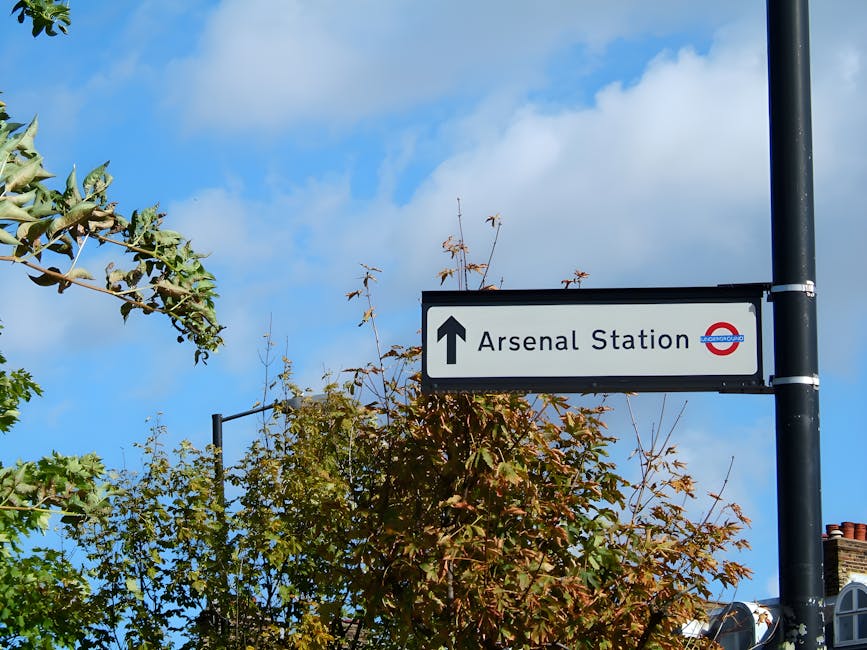
If you are planning a move near Finsbury Park station, you already know the area can feel busy before breakfast. Traffic builds quickly, pavement space can be tight, and a small timing mistake can snowball into a long, annoying morning. That is exactly why Finsbury Park station removals tips for N4 N7 moves matter: they help you avoid the usual bottlenecks, protect your belongings, and keep the day moving at a sensible pace.
This guide is written for people moving flats, shared houses, and family homes around the station area, whether you are heading a few streets across or out of the borough altogether. You will find practical planning advice, local access considerations, packing strategy, and a few hard-won lessons that make a real difference. No fluff. Just the kind of detail that helps when a van is waiting outside and the last box still needs taping shut.
Expert summary: The most successful Finsbury Park moves are usually not the ones with the biggest crews or the fanciest packing materials. They are the ones that are timed properly, packed logically, and planned around access, parking, and lift or stair use before moving day arrives.
Table of Contents
- Why Finsbury Park station removals tips for N4 N7 moves Matters
- How Finsbury Park station removals tips for N4 N7 moves Works
- Key Benefits and Practical Advantages
- Who This Is For and When It Makes Sense
- Step-by-Step Guidance
- Expert Tips for Better Results
- Common Mistakes to Avoid
- Tools, Resources and Recommendations
- Law, Compliance, Standards, or Best Practice
- Options, Methods, or Comparison Table
- Case Study or Real-World Example
- Practical Checklist
- Conclusion
- Frequently Asked Questions
Why Finsbury Park station removals tips for N4 N7 moves Matters
Moves around Finsbury Park station are different from a quieter suburban relocation. The area brings together a main transport hub, busy roads, dense housing, older terraces, mansion blocks, converted flats, and the everyday realities of London living. That mix creates pressure points: where will the van stop, how will furniture be carried, and how do you avoid blocking access for neighbours or commuters?
For N4 and N7 moves, the stakes are simple. Good planning saves time, and time saves money, stress, and damage risk. A move that looks easy on paper can become awkward fast if the sofa will not fit around a tight stair turn, or if the driver has to park a little too far away and carry heavy items across a crowded pavement. Let's face it, nobody enjoys carrying a wardrobe up three flights while someone else's delivery driver is trying to squeeze past.
These tips matter even more if you are moving at busy times of day, on a weekend with local activity, or during poor weather. A bit of rain, a lot of foot traffic, and a narrow street can be enough to turn a well-meaning schedule into a messy scramble. A properly planned move keeps the day calm, and calm moves are usually cheaper too.
If you want to understand the company side of things before booking, you can also review the firm's about us page and read more about its insurance and safety approach. Those pages are useful if you care about who is handling your belongings and how they work.
How Finsbury Park station removals tips for N4 N7 moves Works
At a practical level, the process is about matching the move plan to the local conditions. You start by mapping the route from property to van, then from van to new property, and then checking what could go wrong in between. That means looking at access, stairs, parking, load size, fragile items, and the order in which everything should be loaded.
Think of it in three layers:
- Property access: stairs, lifts, hallway width, front-door clearance, and whether large items need to be dismantled.
- Street access: van stopping space, pedestrian flow, nearby schools, buses, one-way streets, and times when the area feels especially busy.
- Item handling: how your furniture is wrapped, labelled, stacked, and protected while being carried.
Once those layers are understood, the move can be organised around them. That might mean moving smaller boxes first to keep hallways clear, sending bulky items down before rush hour, or setting aside fragile pieces so they are loaded last and unloaded first. Simple idea, but it works.
Professional movers usually build the day around this logic. They know that a move near a station is rarely just about lifting boxes; it is about sequencing. One bad sequence can create a bottleneck, and one good sequence can make the whole day feel surprisingly manageable.
Key Benefits and Practical Advantages
The obvious benefit is a smoother move. But there are a few more practical gains that are easy to miss until you have lived through a difficult removals day.
- Less damage: careful planning reduces scuffs on walls, chipped furniture, and broken packaging.
- Faster loading: when items are ready in the right order, the van spends less time waiting.
- Fewer access issues: avoiding clashes with pedestrians, neighbours, and parking constraints makes the day more predictable.
- Lower stress: clear labels and a simple plan make it easier for everyone to know what happens next.
- Better value: time saved on the day often means a more efficient move overall.
There is also a quieter benefit: you feel more in control. Moving is one of those life tasks that can make even organised people feel slightly untidy. A decent plan brings the temperature down a notch. You stop guessing. You start doing.
If you are comparing providers, it can be helpful to look at pricing and quotes alongside service details so you are not comparing numbers in isolation. The cheapest quote is not always the best fit if access is tricky or your items need extra handling.
Who This Is For and When It Makes Sense
This guide is especially useful if you are:
- moving from a flat near Finsbury Park station
- relocating within N4 or N7
- moving into a converted building with stairs or narrow entrances
- managing a family move where time matters and school runs are still happening
- booking movers for a same-day relocation between nearby streets
- trying to avoid traffic pressure around a busy station area
It also makes sense if you are not moving far, because short-distance moves can lull people into complacency. "It is only around the corner" is how people end up underpacking, underplanning, and then buying more packing tape at the last minute. A short move still needs structure.
For landlords, letting agents, students, and shared households, the main challenge is usually coordination. Everyone owns a different slice of the move, and the handover can get messy. In those cases, a written timeline helps more than verbal promises, honestly.
Step-by-Step Guidance
Here is a clear way to organise a Finsbury Park station move without making it harder than it needs to be.
1. Survey the access before you book
Walk the route from your front door to where the van is likely to park. Notice gates, steps, low ceilings, tight corners, and uneven paving. If you have a large wardrobe or sofa, measure it properly. Not roughly. Properly.
2. Decide what needs dismantling
Bed frames, dining tables, and some shelving units are often easier to move if partially taken apart. Keep fixings in labelled bags and tape them to the relevant item or place them in one clearly marked box. It sounds small, but it saves real time later.
3. Book a sensible moving window
If you can, choose a time that avoids obvious local pressure points. Early starts are often calmer. Midday can work too, depending on the route and building access. A Sunday move may feel easier for some households, while others prefer a weekday when the roads and corridors are oddly less chaotic. It depends, to be fair, on the exact property.
4. Label boxes by room and priority
Use clear labels: kitchen, bedroom one, bathroom, office. Add a note for fragile items or "open first" boxes. That reduces confusion when everyone is tired and slightly cross by hour four.
5. Protect high-value and fragile items
Wrap glass, art, mirrors, and electronics properly. If something is irreplaceable or sentimental, keep it separate and tell the removals team. People often remember the TV, then forget the framed picture their aunt gave them. The picture usually matters more.
6. Prepare an essentials bag
Keep medication, chargers, keys, snacks, toiletries, a change of clothes, and important documents with you. If the move runs late, you will be very glad you did.
7. Plan unloading in reverse order
What you need first should come off the van first. Usually that means beds, kettle, cleaning items, basic tools, and a few kitchen essentials. You do not want to be rummaging through fourteen boxes looking for a mug at 8.30 in the evening.
Expert Tips for Better Results
These are the little things that often separate an acceptable move from a smooth one.
- Use colour coding for rooms. A sticker or marker colour for each room helps everyone spot where boxes belong at a glance.
- Photograph cable setups before unplugging. It is one of those five-second jobs that saves twenty minutes later.
- Leave a clear path. Even in a compact flat, a clear hallway makes a big difference. Shoes, lamps, coat stands, and baskets tend to become accidental obstacles.
- Keep cleaning materials separate. You may want them before everything else is unpacked.
- Over-prepare breakables. A bit more wrapping is usually cheaper than replacing something.
- Tell neighbours if access might be tight. A quick heads-up can prevent awkwardness on the day.
One simple but surprisingly effective habit: pack one room at a time and finish it fully before starting another. Half-packed rooms make people weirdly indecisive. A completed room, even if it looks a bit bare and echoey, gives momentum.
Also, don't underestimate the value of communication with the removals team. If a lift is out of service, if there is a narrow stair bend, or if a sofa has already caused trouble once before, say so early. Movers can only plan around what they know.
Common Mistakes to Avoid
The same problems show up again and again in station-area moves. They are common, but not unavoidable.
- Assuming parking will be easy: it often is not, especially near a busy transport hub.
- Leaving packing until the final evening: that is how labels disappear and fragile items get rushed.
- Forgetting building access rules: some flats have booking windows for lifts or loading areas, and ignoring them can create delays.
- Not measuring furniture: one oversized item can disrupt the whole loading plan.
- Mixing essentials with storage boxes: you will regret it when you need socks, a phone charger, or the kettle.
- Underestimating weather: London drizzle is not dramatic, but it makes boxes slippery and pavements less forgiving.
There is also the classic mistake of making the day emotionally heavier than it needs to be. A move is tiring enough without adding unnecessary drama. If you need a five-minute reset and a biscuit, take it. Very scientific approach, but it works.
Tools, Resources and Recommendations
You do not need a warehouse full of specialist kit, but a few basic tools make life much easier.
- Strong boxes: use decent-quality moving boxes rather than old supermarket cartons for heavier items.
- Packing tape and markers: simple, but essential.
- Furniture blankets and protective wrap: useful for wood finishes, mirrors, and appliances.
- Dismantling tools: keep screwdrivers, hex keys, and small zip bags together.
- Door and floor protection: helpful in narrow homes and shared buildings.
- Inventory list: especially useful if you are moving multiple rooms or coordinating storage.
For practical support around the booking side, the company's contact page is the best place to ask questions about access, timing, or special items. If you want to understand payment handling before confirming anything, take a look at payment and security too. That kind of transparency matters more than people sometimes admit.
If you are making decisions around waste, reuse, or what to do with old packing materials, the site's recycling and sustainability page is a sensible reference point. Moving is a good time to reduce clutter, and a bit of sorting before departure can save space in the van.
Law, Compliance, Standards, or Best Practice
For most domestic moves, the key issue is not legal complexity so much as safe, sensible practice. That said, there are still a few standards and responsibilities worth keeping in mind.
In the UK, anyone handling removals should work with care around lifting, carrying, vehicle loading, and property protection. Good practice includes using suitable equipment, not overloading boxes, and making sure items are carried safely through shared spaces. If a building has rules for access, lifts, loading bays, or noise, those should be respected as part of normal courtesy and planning.
Insurance is another practical point. It is sensible to know what is covered, what is excluded, and how claims would be handled if something unexpected happened. The wording matters, even if it is not the most exciting part of moving day. The company's insurance and safety information and health and safety policy are useful places to look for that kind of reassurance.
If you have an accessibility requirement, or you are helping someone who does, think beyond boxes and vans. Routes, door widths, waiting times, and resting points can matter a lot. A good move plan should be practical for the people involved, not just efficient on paper. That is the whole point, really.
You may also want to review the company's accessibility statement and terms and conditions so you know what to expect before the move begins. Clear expectations avoid awkward conversations later.
Options, Methods, or Comparison Table
Different moves near Finsbury Park station call for different levels of support. Here is a simple comparison to help you choose the right approach.
| Move type | Best for | Pros | Trade-offs |
|---|---|---|---|
| DIY move | Very small moves with minimal furniture | Lower upfront cost, full control | More lifting, more stress, higher chance of delay |
| Man and van | Studios, one-bed flats, light local moves | Flexible, often efficient for short distances | May need more packing effort from you |
| Full removals service | Family homes, complex access, larger inventories | More support, better handling of bulky items | Usually costs more, but can be worth it |
For many N4 and N7 moves, the best choice is not the cheapest option on paper. It is the option that matches access, the amount of furniture, and how much time you can realistically spare. If you have a staircase, a heavy wardrobe, and a tight schedule, a fuller service often makes more sense than a bare-bones van hire. Simple as that.
Case Study or Real-World Example
A common local scenario is a one-bedroom flat near the station with a narrow staircase, a sofa that just about fits the landing, and a move-out slot in the morning. On paper, it sounds straightforward. In reality, the hallway has a bike left outside the neighbour's door, the sofa needs to be turned carefully on the stairs, and the van can only stop for a short time before traffic builds up.
In a case like that, the best approach is usually to pack by access priority rather than by room alone. That means:
- getting fragile and awkward items ready first
- moving smaller boxes before the bulky furniture
- keeping the hallway clear so the team can work safely
- placing the essentials bag somewhere easy to grab
The move tends to go better when the client knows in advance what matters most. One homeowner we might imagine here-nothing dramatic, just a tired person with too many mugs and a plant they were oddly attached to-found that the biggest relief came from a simple box plan and a clear unloading order. The plant survived. The mugs survived. The person, thankfully, did too.
That is usually how good removals feel: not exciting, not glamorous, just quietly successful. And after a long moving day, quietly successful is a lovely thing.
Practical Checklist
Use this checklist a few days before the move, then again on the morning itself.
- Confirm access at both properties
- Check van stopping space and route to the entrance
- Measure any awkward furniture or appliances
- Label all boxes by room
- Separate fragile and high-value items
- Keep keys, chargers, and documents with you
- Prepare tools for dismantling and reassembly
- Protect floors, doors, and corners where needed
- Tell neighbours or building management if access may be affected
- Set aside cleaning supplies and essentials
- Check payment details and booking information in advance
- Review any safety or insurance questions before moving day
Quick reminder: if your move involves special access needs, unusual items, or time-sensitive delivery windows, mention them early. Early is better. Much better.
Get a free quote today and see how much you can save.
Conclusion
A successful move near Finsbury Park station is rarely about luck. It usually comes down to preparation, timing, and realistic expectations about access in a busy part of London. When you plan properly, label clearly, and think ahead about parking, stairs, and heavy items, the whole day becomes far more manageable.
The best Finsbury Park station removals tips for N4 N7 moves are the ones that reduce friction before it appears. That is the real trick. Not perfection, just fewer surprises. If you can achieve that, you are already ahead of most moving days I have seen.
And if the process still feels a bit much, that is normal. Moving is one of those life events that looks simple from a distance and then suddenly involves ten decisions at once. Take it step by step, keep the plan visible, and breathe. You will get there.
Frequently Asked Questions
What should I check first for a move near Finsbury Park station?
Start with access. Check where the van can stop, how far the carry is, whether there are stairs or lifts, and whether any furniture needs dismantling. Those details shape the whole move.
Are N4 and N7 moves usually more difficult than other London moves?
Not always, but the area can be busy and access may be tighter than in quieter streets. The main challenge is usually managing parking, pedestrians, and building layout rather than distance.
How early should I book removals for a local move?
As early as you can if your date is fixed, especially if you need a specific time slot or have bulky items. That said, local moves can still be arranged quickly if availability allows.
What is the best time of day to move around Finsbury Park?
There is no one perfect slot, but earlier starts often help. They give you more breathing room before the area gets busier and make loading a little less stressful.
Do I need to dismantle furniture before the movers arrive?
Only if it will help the move go safely and efficiently. Beds, large tables, and some shelving units often travel better in parts. If you are unsure, ask the removals team in advance.
How can I avoid damage to walls and furniture?
Protect edges, wrap fragile pieces well, clear hallways, and avoid rushing heavy items through tight corners. Damage usually happens when people are trying to move too quickly through cramped spaces.
What should go in my essentials bag?
Keep keys, medication, chargers, documents, basic toiletries, snacks, and a change of clothes close to hand. If you will need it on the first night, do not pack it in a random box.
Is a man and van service enough for a small flat move?
Often yes, if the move is light, local, and the access is straightforward. If there are lots of stairs, heavy furniture, or awkward timings, a fuller service may be the better fit.
How do I know if my move is likely to need extra care?
If you have narrow entrances, shared hallways, high-value items, fragile furniture, or limited parking, the move probably needs extra care. Those are the clues people tend to overlook.
What should I ask before confirming a removals booking?
Ask about access assumptions, insurance, timing, payment terms, and what happens if the move runs longer than expected. Clear questions now usually prevent confusion later.
Can removals help with recycling or unwanted items?
Some moves include guidance on disposal or recycling of packing materials and unwanted belongings. It is worth checking the company's sustainability approach and planning your declutter before move day.
What if my building has strict access rules?
Tell the removals provider as soon as possible. Rules about lifts, loading, noise, or booking windows are much easier to work around when they are known in advance.
If you are ready to plan your move with less stress and more confidence, the next sensible step is to compare your options, gather a clear quote, and ask the awkward questions now rather than on moving day. That little bit of preparation goes a long way.